Ashmina Ranjit: Politics of Being
April 23, 2021, 12:00 pm – 1:30 pm
Just because we’re born with a vagina, why accept that our family, society, and state continue treating us as unequal "beings"? Why do sexual violence, unequal rights, and inequities persist? Why do we need to rethink and reimagine intersections of gender, caste, class, and religion?
In this talk, Ashmina Ranjit reflects on insights from her journey of resisting and interrogating the complex politics of Hindu patriarchy, especially the role of the nation-state in sustaining structures of dominance and exploitation. Using art as a tool for investigating and reclaiming her own position as a "Being," she explores her multilayered identities as a human, citizen, Asian, and artist, amongst others.
 About the Speaker
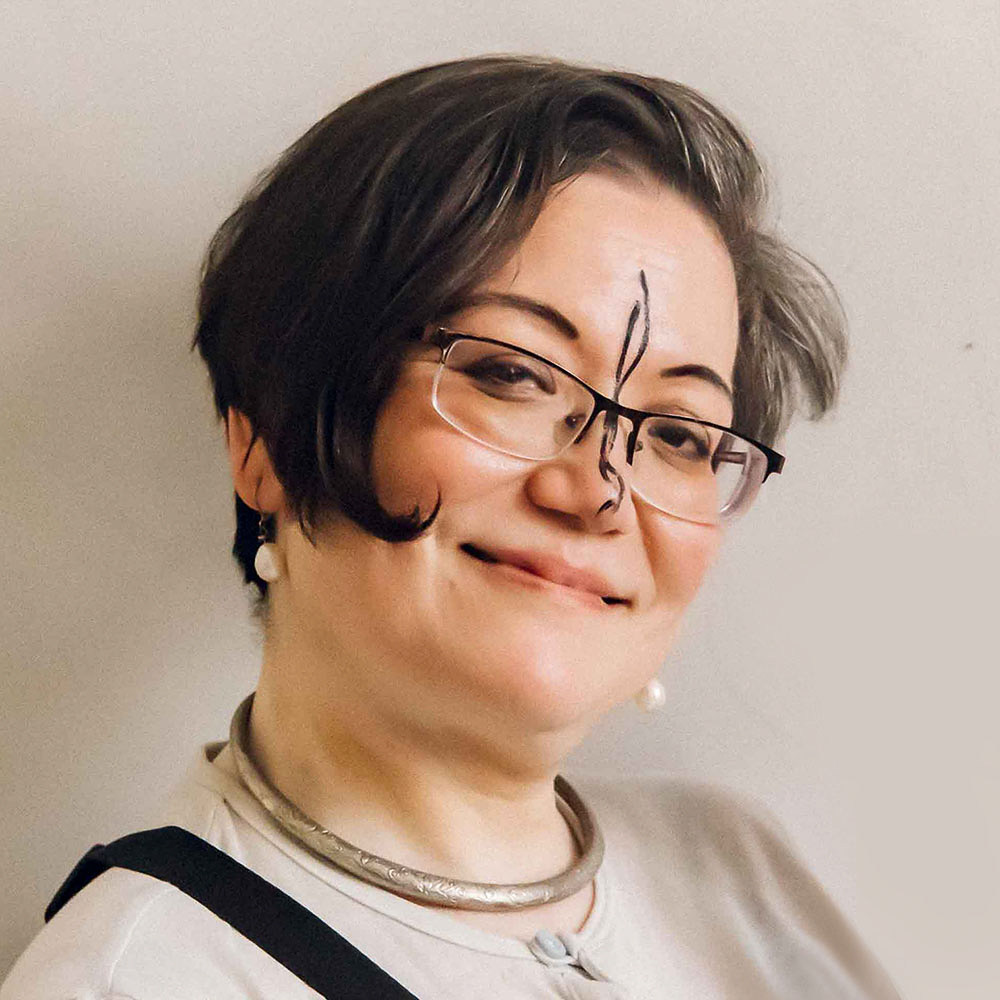
Ashmina Ranjit is Nepal’s leading conceptual artist and activist. She is at the forefront of artivism (art+activism) in South Asia. Her artworks challenge and confront the status quo. Subversion of stereotypes, politics of gender, and human rights are critical to her process. During the insurgency, Ashmina's performances brought together armed forces, Maoists, civilians, and students to raise voices against violence and for democracy. Ashmina performs, leads workshops, and connects communities. She creates an environment of collaboration and innovation for artists at her art hub, LASANAA / NexUs. The Kathmandu Post featured her as one of 25 individuals who shaped Nepal.
In this talk, Ashmina Ranjit reflects on insights from her journey of resisting and interrogating the complex politics of Hindu patriarchy, especially the role of the nation-state in sustaining structures of dominance and exploitation. Using art as a tool for investigating and reclaiming her own position as a "Being," she explores her multilayered identities as a human, citizen, Asian, and artist, amongst others.
Ashmina Ranjit is Nepal’s leading conceptual artist and activist. She is at the forefront of artivism (art+activism) in South Asia. Her artworks challenge and confront the status quo. Subversion of stereotypes, politics of gender, and human rights are critical to her process. During the insurgency, Ashmina's performances brought together armed forces, Maoists, civilians, and students to raise voices against violence and for democracy. Ashmina performs, leads workshops, and connects communities. She creates an environment of collaboration and innovation for artists at her art hub, LASANAA / NexUs. The Kathmandu Post featured her as one of 25 individuals who shaped Nepal.